


When purchasing a newly built property, ensuring that every detail meets expected quality and safety standards is crucial. A handover inspection serves as the final checkpoint before you officially take possession, giving you confidence the build is sound and completed as promised. This dedicated page will guide you through the essential steps of the handover inspection process and provide a comprehensive building handover checklist to help you navigate this important stage efficiently.
At Kemet Building Consultancy, we understand the complexities of assessing new builds and the risks associated with skipping or rushing this vital inspection. Whether you are a homeowner, builder, or property manager, knowing what to inspect and expect will safeguard your investment and support a smooth transition into your new property.

What Is a Handover Inspection and Why Is It Crucial?
Defining the Handover Inspection
A handover inspection is a thorough evaluation of a newly constructed property conducted when the project nears completion and is about to be handed over from the builder to the client. This inspection typically occurs after the final construction stages, once major works are finished but prior to occupancy. The goal is to verify that the property meets all agreed-upon specifications, complies with building regulations, and is free from defects or incomplete work.
This step ensures transparency between builders and owners, providing a documented record of the property’s condition at handover. It helps identify any outstanding defects or issues the builder must address before final settlement or keys exchange.
Key Benefits of a Thorough Handover Inspection
- Protect Property Investments: Uncovering issues early can prevent costly repairs or disputes later.
- Ensure Compliance: Confirms that the build adheres to building codes, safety standards, and contractual requirements.
- Peace of Mind: Gives homeowners confidence that their new home is safe, functional, and built to standard.
- Documenting Faults: Creates a clear record for warranty claims or legal disputes if defects arise post-handover.
Step-by-Step Handover Inspection Checklist
To assist you in conducting a thorough handover inspection, here is a detailed building handover checklist covering critical areas to examine. This structured approach simplifies the handover inspection process and helps ensure no detail is overlooked.

Structural Integrity Checks
- Foundation and Slab: Check for any visible cracks, unevenness, or water pooling around the base.
- Walls and Framework: Inspect plaster finishes, alignment, and look for signs of cracks or water damage.
- Roofing and Gutters: Confirm that roofing materials are securely fixed and gutters drain properly without blockage.
- Doors and Windows: Ensure they open and close smoothly, seals are intact, and locks function correctly.
Finishing and Fixtures Assessments
- Flooring: Assess finishes for scratches, chips, or uneven application on tiles, timber, or carpets.
- Plumbing Fixtures: Test taps, showers, toilets, and drainage for leaks, hot/cold water function, and water pressure.
- Electrical Systems: Verify switch and outlet functionality, lighting, smoke alarms, and compliance with safety standards.
- Cabinetry and Appliances: Check cabinetry installation quality, hinges, and confirm all built-in appliances are operational.
- Paint and Surface Finishes: Look for marks, drips, or inconsistencies in painting and wall finishes.
Compliance and Documentation Review
- Building Permits and Certificates: Confirm all necessary permits and certificates of compliance are provided.
- Warranties and Manuals: Collect warranties for workmanship, materials, and appliances, plus usage manuals.
- Completion and Occupancy Certificates: Ensure relevant certification authorizing occupancy is issued.
- Maintenance Recommendations: Obtain guidelines for ongoing care of critical elements like waterproofing and HVAC.
Common Issues Found During Handover Inspections
Structural Defects and Remedies
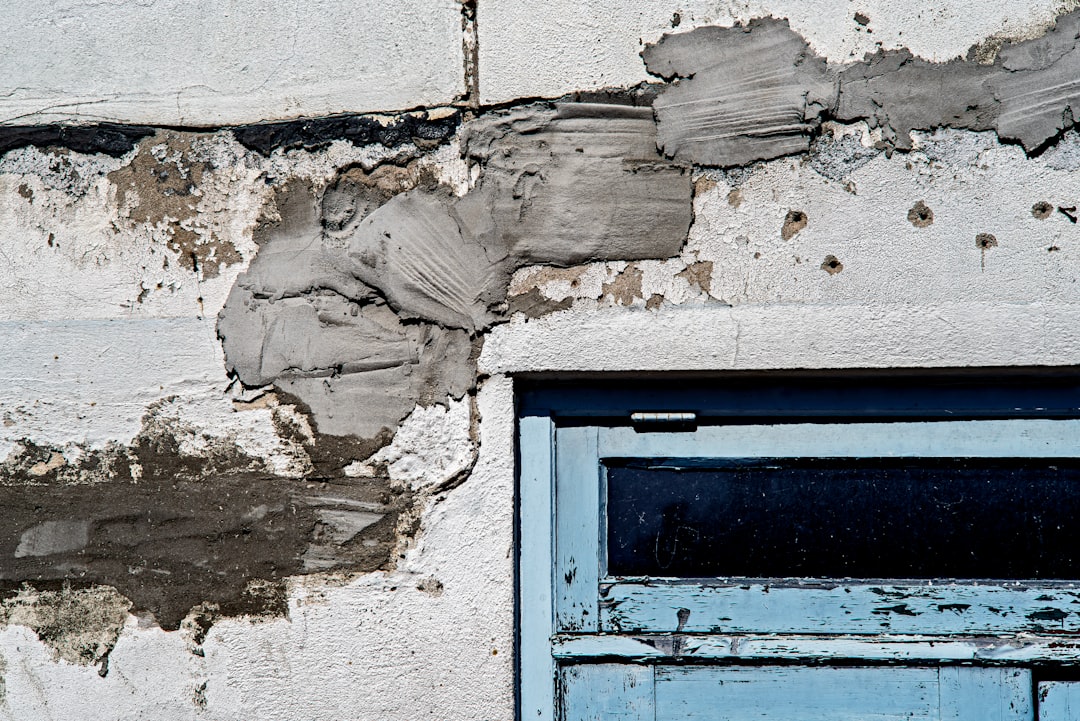
Despite best efforts, some common structural issues can appear during final inspections. These may include minor foundation cracks, uneven flooring, or gaps around windows and doors. Early identification through professional inspection is critical to ensure builders rectify these defects within warranty terms before occupancy.
Finishing Flaws and Adjustments
Finishing flaws frequently encountered involve paint imperfections, grout discoloration, faulty tapware, or electrical outlets that don’t work. While often cosmetic, these need documenting and correction to meet expectations and contractual agreements. Expert consultants from firms like Kemet Building Consultancy help clients to systematically address and negotiate remedy timelines with builders.
How Kemet Building Consultancy Supports Your Handover Inspection
Independent and Expert Assessment
Kemet Building Consultancy prides itself on providing impartial and expert handover inspection services across Australia. Our skilled inspectors offer unbiased assessments, ensuring your property’s condition is evaluated accurately and comprehensively. This independent scrutiny safeguards your interests and strengthens your confidence when accepting a new build.
Tailored Reports for Homeowners and Professionals
We provide detailed, easy-to-understand reports tailored specifically for homeowners, solicitors, insurers, or strata managers. Each report highlights critical issues, compliance statuses, and recommendations, empowering you with the knowledge to make informed decisions about the property handover process.
Preparing for Your Handover Inspection: Tips for Homeowners
- Schedule Early: Arrange your handover inspection sufficiently before settlement to allow time for rectifications.
- Use an Expert: Employ a qualified building consultancy like Kemet to ensure thorough assessments.
- Bring Documentation: Have your contract, plans, and previous inspection reports handy on inspection day.
- Attend the Inspection: Being present allows for direct discussion of concerns and clarifications.
- Take Notes and Photos: Document any observed defects or unfinished work during the inspection.
- Ask Questions: Clarify warranty coverage, expected repair timelines, and maintenance responsibilities.
Conclusion
A comprehensive handover inspection is a vital step in securing the quality and compliance of your new build. Following a detailed building handover checklist and addressing any identified issues proactively can save time, money, and stress. Kemet Building Consultancy offers trusted expert guidance to help you confidently complete the handover inspection process and protect your property investment.
If you’re preparing for a handover inspection or want to learn more about how an expert consultancy can assist you, contact Kemet Building Consultancy today for a personalized consultation and ensure your new property meets the highest standards before you take possession.